
The challenge
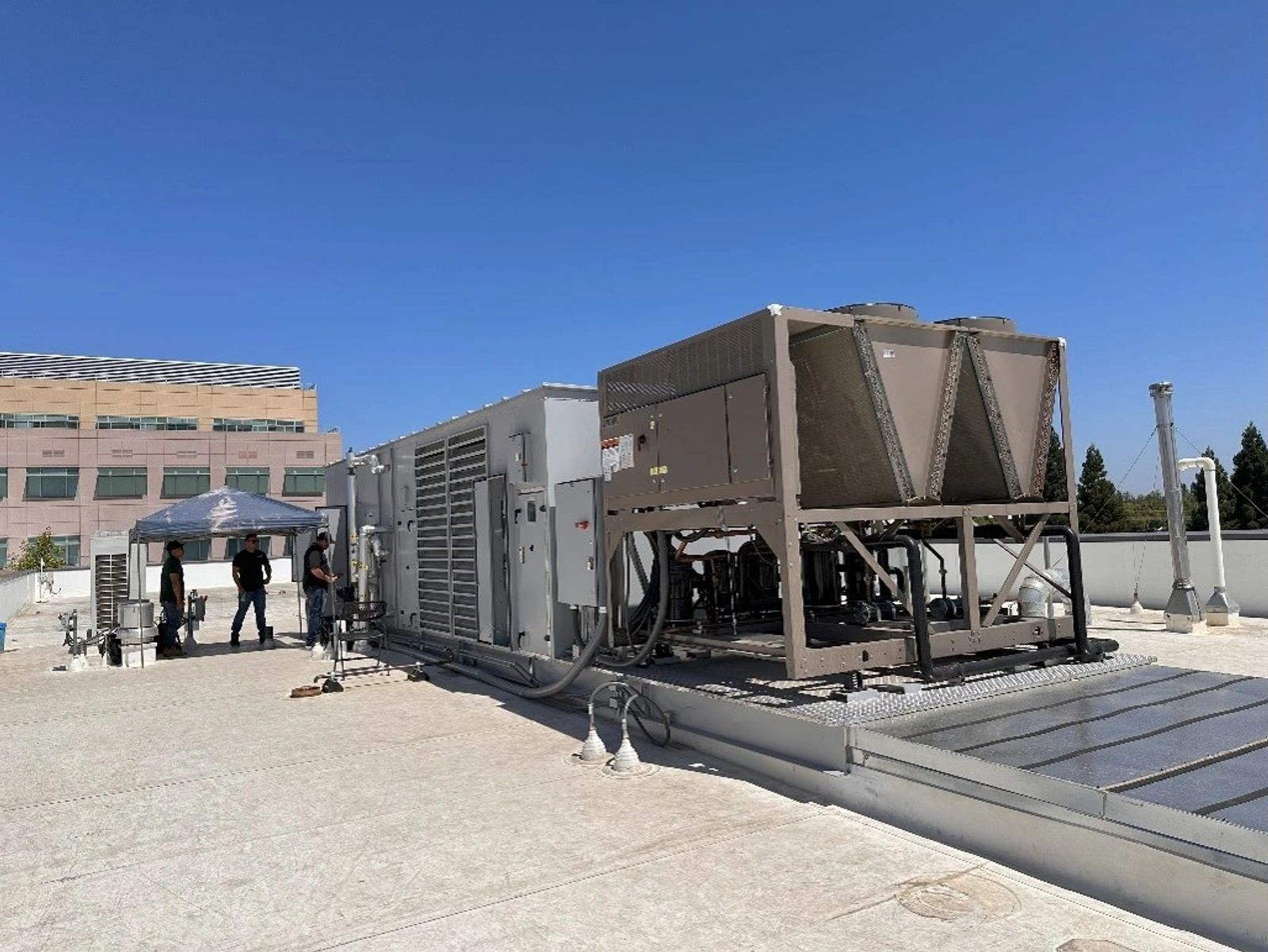
A new central plant is one of the most complex things you can build on a hospital campus. This one packed three generators, an absorption chiller and a cooling tower into roughly 10,300 square feet, with the generators producing hot water to drive the absorption chiller, which had to be tied into the campus's existing main chiller plant. Dozens of systems and control sequences all have to cooperate. On paper they did. The question commissioning exists to answer is whether they actually do under load.
What we did
Alares filled two roles at once. As the VA's construction manager, the owner's agent, we had a manager on site daily: reviewing submittals and shop drawings against the design, vetting RFIs and recommending the VA's responses, pricing contract modifications with an independent government estimate, leading weekly progress meetings, checking the contractor's pay applications and CPM schedule, verifying as-builts and driving the punch list to closeout.
As the commissioning agent, we developed and ran the prefunctional and functional performance tests, reviewed the test-and-balance reports, kept a master issues log, performed the functional testing of the plant, and produced the systems manual the operators would actually use.
How we did it
The catch came out of functional testing. The control sequence for the chillers wasn't behaving the way the drawings said it should. We traced it: the hot water loop feeding the existing building heat exchanger was cooling the very hot water that was supposed to drive the absorption chillers. The plant was, in effect, fighting itself, spending energy to undo its own work. You don't find that in a set of as-builts; you find it by running the system under real conditions and watching what it does. We recommended a corrected control sequence, the controls were reprogrammed, and the fix was incorporated into the project.
The outcome
The plant left commissioning operating the way it was designed to, with the performance problem corrected before the VA inherited it rather than after. That's the value of pairing owner's-rep oversight with commissioning on a complex build: the same firm watching the construction is watching whether the finished plant actually performs, and catching the things that only show up when everything is finally running together.